
INTERNATIONAL PHD COURSE, Edition 2026 – Ethics and Artificial Intelligence
Organised by the Italian Society for AI Ethics (SIpEIA), AIDA, Consulta di Bioetica
Online – October to December 2026 – English language
Over 300 registrations in 2025 – The course returns with an expanded programme and new international speakers.
ABOUT THE COURSE
This interdisciplinary course, coordinated by Guido Boella, offers a comprehensive overview of the main ethical challenges raised by Artificial Intelligence. Open to PhD students at all stages, scholars, and the general public, the 2026 edition builds on the success of its predecessor – which attracted over 300 participants from across the globe – and introduces two new thematic strands: AI, Ethics and Education and AI, Ethics and Creativity.
The programme addresses foundational questions in ethical theory, the societal impact of AI systems, bias and fairness, generative AI, the relationship between AI and human rights, legal frameworks such as the EU AI Act, as well as the emerging intersections of AI with education and creative practices.
COURSE FORMAT
8 sessions of 2 hours each (16 hours total), delivered online in English.
All sessions will be broadcast live and recorded for registered participants. Live attendance is mandatory for those wishing to take the final exam.
The course is expected to run from October to December 2026.
| Speaker | Affiliation | Topic | Duration | Date | Time(CET) |
| Ioannis Pitas | University of Salonicco | AI and Geopolotics | 2h | 13 october | 2.30 p.m. |
| Maurizio Mori | Consulta di Bioetica Onlus | Ethics and AI | 2h | 21 october | 2.30 p.m. |
| Giovanni Sartor, Marco BIlli | Università di Bologna | AI, Ethics and Law | 2h | 29 october | 2.30 p.m. |
| Alfio Ferrara | Università degli Studi di Milano Statale | AI, Ethics and Language | 2h | 6 november | 2.30 p.m. |
| Colin de la Higuera | University of Nantes | AI and Education | 2h | 9 november | 2.30 p.m. |
| Sanmay Das | Virginia Tech | AI and Society | 2h | 17 november | 2.30 p.m. |
| Teresa Numerico | Università Roma Tre | Epistemoloy,, Politics, AI | 2h | 25 november | 2.30 p.m. |
| Guido Boella | Università di Torino | AI and Society | 2h | 2 december | 2.30 p.m. |
CALENDAR
| Speaker | Affiliation | Topic | Duration | Date | Time(CET) |
| Ioannis Pitas | University of Salonicco | AI and Geopolotics | 2h | 13 october | 2.30 p.m. |
| Maurizio Mori | Consulta di Bioetica Onlus | Ethics and AI | 2h | 21 october | 2.30 p.m. |
| Giovanni Sartor, Marco BIlli | Università di Bologna | AI, Ethics and Law | 2h | 29 october | 2.30 p.m. |
| Alfio Ferrara | Università degli Studi di Milano Statale | AI, Ethics and Language | 2h | 6 november | 2.30 p.m. |
| Colin de la Higuera | University of Nantes | AI and Education | 2h | 9 november | 2.30 p.m. |
| Sanmay Das | Virginia Tech | AI and Society | 2h | 17 november | 2.30 p.m. |
| Teresa Numerico | Università Roma Tre | Epistemoloy,, Politics, AI | 2h | 25 november | 2.30 p.m. |
| Guido Boella | Università di Torino | AI and Society | 2h | 2 december | 2.30 p.m. |
SPEAKERS AND TOPICS
The 2026 edition features an expanded faculty of international experts. Confirmed speakers are listed below.
A LOOK AT THE SPEAKERS
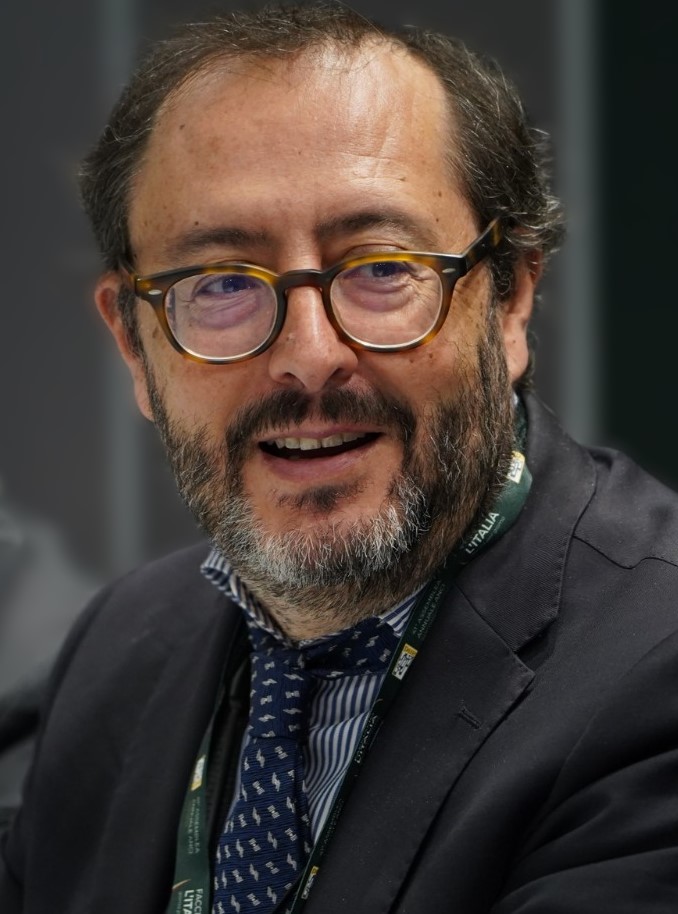
A comprehensive overview of the various ethical issues related to AI, with reflections on its societal and ethical impact
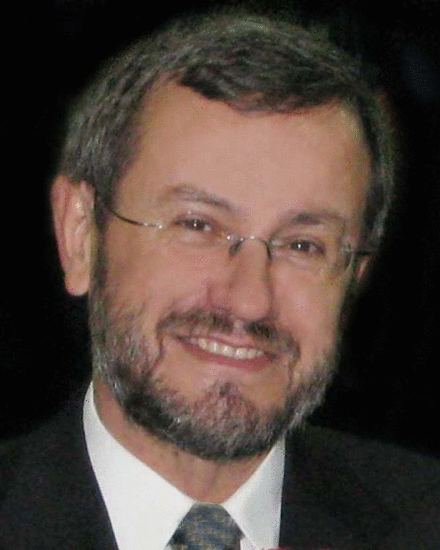
This lecture presents a data-driven framework for the quantitative assessment of geopolitical power of various countries using multi dimensional socio-economic, financial, and military indicators. We construct a dataset of 31 variables across 50 countries and apply Principal Component Analysis (PCA) to identify latent, orthogonal dimensions underlying global power structures. The analysis reveals that two principal components explain 60.7% of the total variance and can be interpreted as (i) Governance Quality and (ii) Geopolitical Power. These two dimensions are statistically uncorrelated, enabling independent evaluation of institutional effectiveness and external influence. A key finding of this study is the identification of a systematic decoupling between governance and power, which we term the “Governance–Power Paradox”. Furthermore, we show that the distribution of geopolitical power follows a log-normal pattern, consistent with multiplicative growth processes and “power concentration” phenomena observed in complex systems. Regarding the Geopolitical Power, the analysis confirms the existence of two superpowers (USA and China), followed by two large powers (Russia and India). Other medium-sized powers follow. Several Western-style democracies fare best with respect to Governance Quality. The super- and large powers do not fare that well in this aspect. The proposed framework provides a general methodology to analyze global geopolitical power distribution to model international relations.
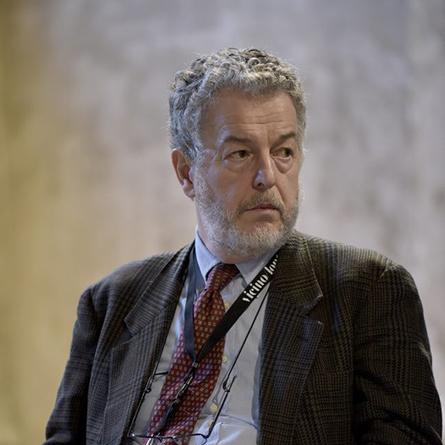

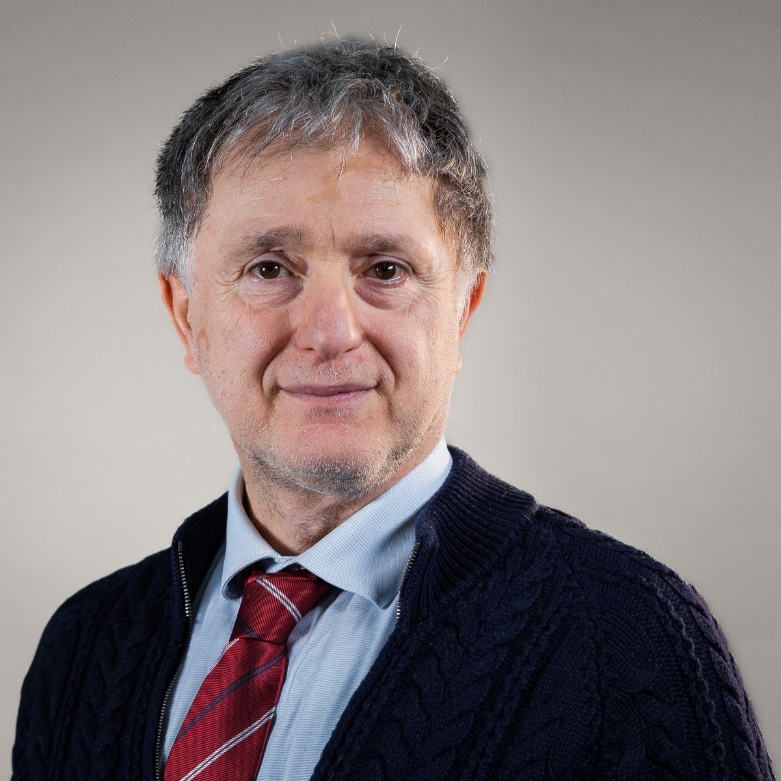
This lecture examines the EU’s AI Act and its risk-based approach to regulating artificial intelligence. It explores how the framework categorizes AI systems according to levels of risk, from unacceptable and high-risk applications to limited and minimal-risk uses, and links regulatory obligations to societal impact. The session will discuss key compliance requirements, governance mechanisms, and the implications of balancing innovation, accountability, and fundamental rights in the european AI ecosystem.
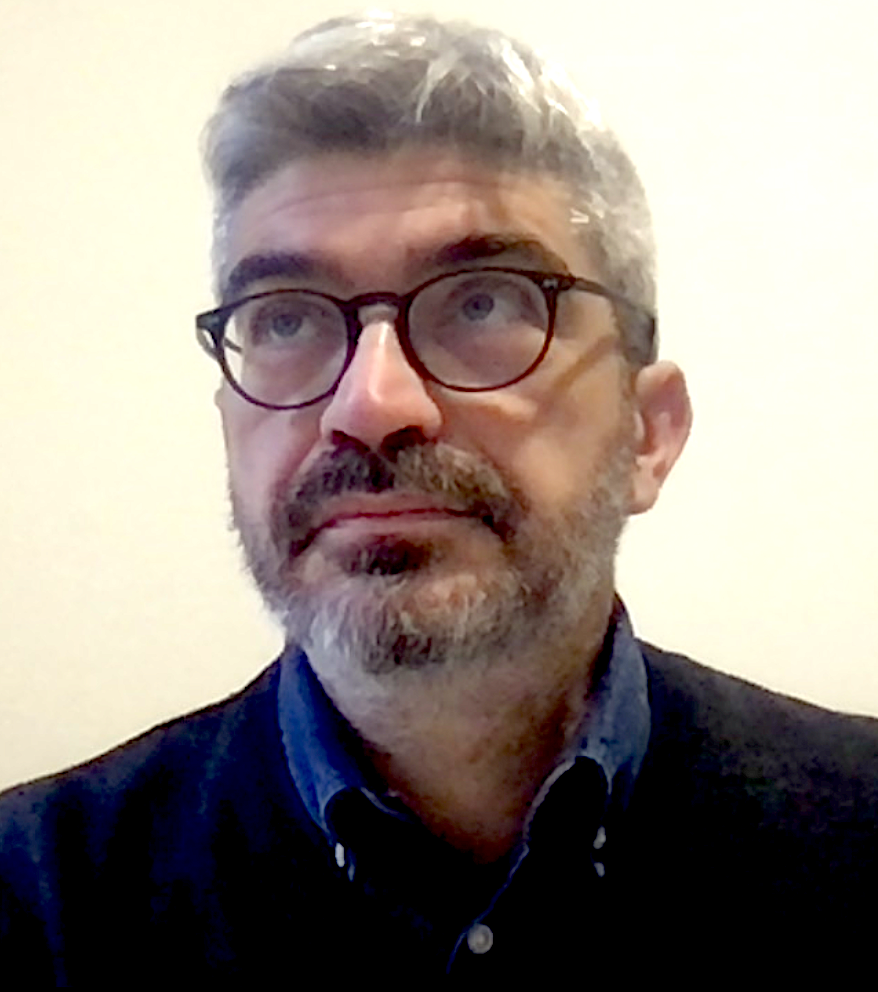
The advent of generative models is redefining the narrative processes that structure contemporary communication, placing non-human entities among the producers of stories, images, and evocative language. This lecture adopts an ethical perspective to examine the implications of this transformation for the communicative ecosystem: what status should we grant to authorship when creativity emerges from computational mechanisms devoid of intention? By shifting the analysis inside the generative act, we will explore how these systems construct narrative coherence, tone, and figurative meaning, and what responsibilities follow in terms of transparency, reliability, and manipulation. Reflecting on the “machines’ point of view” means interrogating the human culture that trained them and its narrative futures
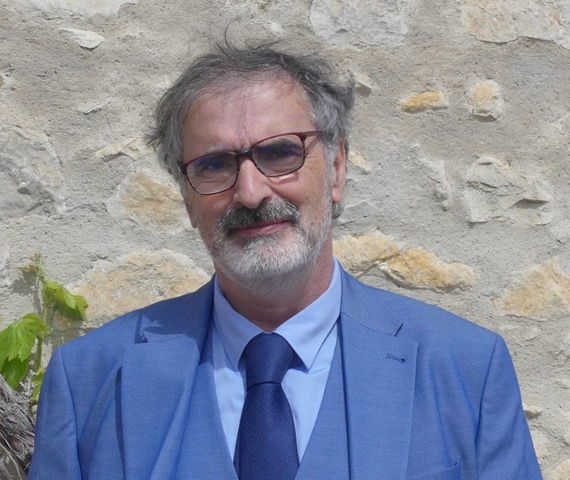
Artificial Intelligence is impacting all sectors. Education, perhaps because it is directly linked with intelligence, is in a situation of urgence. Pupils are rapidly changing the way they study but also the reasons for which they study. In turn, this brings the teachers to reflect upon their own role. We will discuss the impact of these technologies and examine some of the options that are being considered.
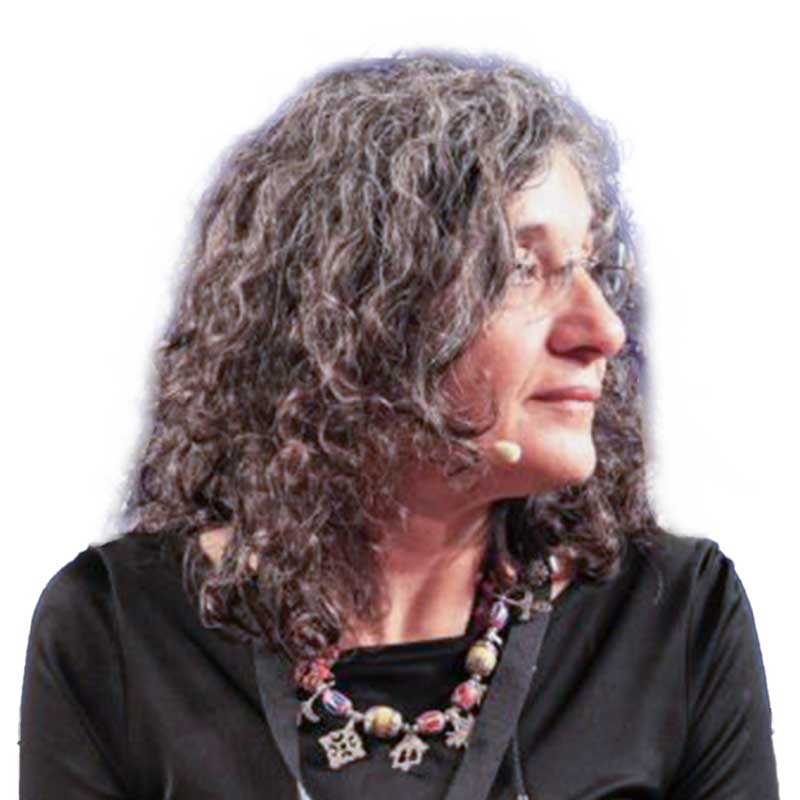
The advent of Large Language Models has revived public and academic debate around artificial intelligence. Much current debate focuses on the disruption these new methods may bring to labour, ethics, law enforcement, and social transformation. In this lecture I will address another side of the question that is related to the largely imperceptible change in the structure of validation of justified true beliefs that are the scaffolding structures of scientific knowledge production. The traditional characteristics of scientific knowledge implied the need of experimental replicability, explainability, intersubjective validation and the controllability of hypotheses, models, and theories. These features are increasingly challenged by the emergence of AI-mediated forms of knowledge production and validation, particularly in the social sciences. This transformation is already underway considering the new possibilities offered by the digitalisation of phenomena representation and the machine readability of these new reflections of phenomena. For this reason, we need what might be called a politics of digital knowledge in order to find new ways for the collective assessment and validation of AI proposed knowledge, especially given the vast industrial infrastructures required for data processing in deep learning contexts, and the crucial role of private companies, which often protect their methods as sources of competitive advantage. We need to work in favor of a new politics of scientific validation capable of preserving the collective structure of ‘representing and intervening’ in the phenomena under scrutiny, in order to safeguard the democratic character of scientific inquiry.
REGISTRATION
Registration is open to all. To enrol, please fill out the online registration form within 30 September 2026.
LINK: https://docs.google.com/forms/d/e/1FAIpQLSe7ecFYwRQVRaPmTgJf6aw5H5fEY5sLUfOKN-vv0s-zf3hlGA/viewform?usp=share_link&ouid=109837994691368917967
| Category | Free |
|---|---|
| PhD students enrolled outside Italy | Free |
| PhD students in Italy (attendance certificate only) | Free |
| PhD students in Italy (credits + certificate) | Free with SIpEIA membership |
| Non-PhD scholars and general public | Free |
* Subscriptions to SIpEIA are warmly encouraged in all cases to support our activities and the development of AI ethics research and education[cite: 25].
CREDITS AND CERTIFICATION
The course offers 20 hours of online lectures. Participants may earn up to 2 credits (subject to the rules of each PhD programme). A certificate of attendance will be issued to all registered participants who attend the sessions.
EXAM MODALITY
Participants wishing to take the exam are required to submit an article (approximately 5,000 characters) in English or Italian, addressing the ethical aspects or societal impact of AI in relation to their research experience. The piece should be accessible to a broad audience and written in a clear, engaging style. Outstanding submissions may be featured in the SIpEIA Magazine Intelligenza Artificiale (magia.news).
PREREQUISITES
No prior technical or philosophical knowledge is required.
The course is designed to be accessible to participants from all disciplinary backgrounds.
CONTACT AND INFORMATION
Email: info@sipeia.it; aldo.pisano@unifg.it
COURSE IN A GLANCE
https://sipeia.it/wp-content/uploads/2026/06/SIpEIA_Course_2026.pdf